

The Gut–Brain Axis Explained by The Herbal Pharmacist®
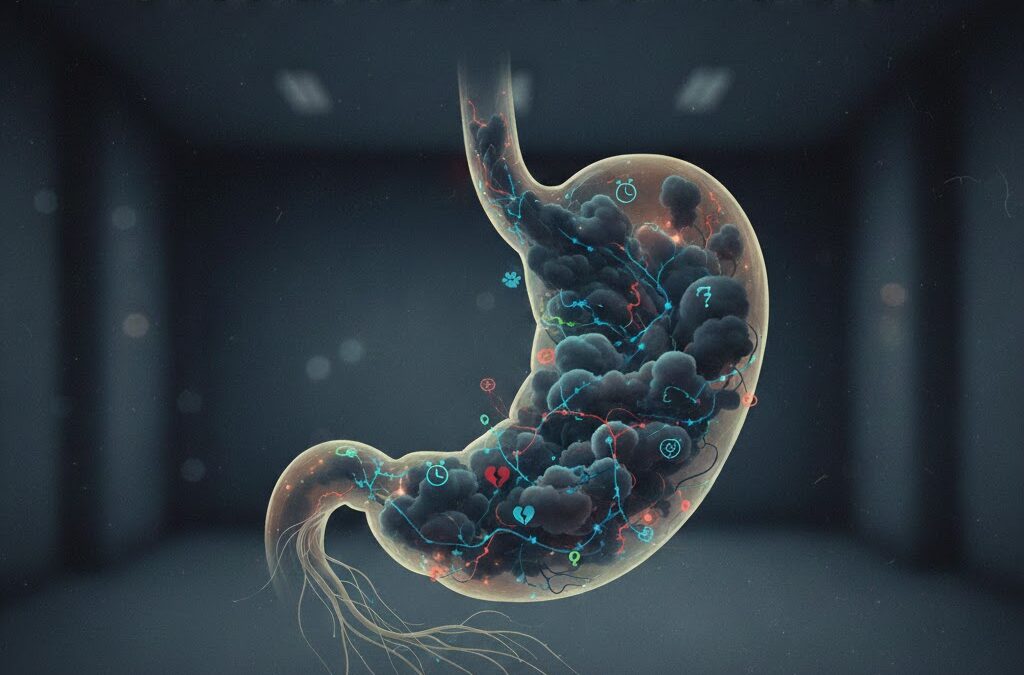
Have you ever had a “gut feeling” before a big decision or noticed your stomach feel off when life gets stressful? That’s not a coincidence. Scientists now recognize the gut as a powerful communication hub, often referred to as the “second brain.” What happens in your digestive tract doesn’t stay there; it sends constant signals to your brain, shaping how you think, feel, and focus.
Welcome to the gut–brain axis: a two-way conversation between your gut and your mind that plays a major role in mental and cognitive well-being.
Your Gut and Brain Are in Constant Conversation
Your gut and brain are connected through a superhighway of nerves, hormones, and chemical messengers. One of the main messengers is the vagus nerve, which acts like a direct phone line between your digestive system and your brain.
Even more surprising?
A large percentage of mood-related messengers, like serotonin, often called the “feel-good” chemical, are produced in the gut, not the brain.
When the gut environment is balanced, those signals tend to support calmness, resilience, and mental clarity. When it’s out of balance, the messages sent upstream can feel very different.
When the Gut Is Off, the Mind Feels It
Everyday Stress & Low Mood
An unbalanced microbiome can influence stress hormones and reduce the availability of mood-supporting brain chemicals. Over time, this can make it harder to stay calm, positive, and emotionally steady, especially during demanding periods.
Think of your gut as the foundation. If that foundation is shaky, maintaining emotional balance becomes harder.
Brain Fog & Poor Focus
Many people describe moments of mental cloudiness, slower thinking, or trouble concentrating. Research suggests that when the gut barrier isn’t functioning optimally, unwanted compounds can circulate more freely in the body and interfere with clear thinking. In plain terms, A struggling gut often shows up as a distracted or foggy brain.
Supporting digestion and the gut lining is one often-overlooked strategy for better focus and sharper thinking.
Long-Term Brain Health
Emerging research continues to explore how gut balance influences brain aging over time. Scientists are particularly interested in how gut-derived compounds affect nerve signaling, brain cell protection, and overall cognitive resilience as we age.
While this field is still evolving, one message is clear:
A healthier gut environment supports a healthier brain, now and in the years ahead.
Feeding the Gut to Support the Mind
So how do you support this powerful gut–brain connection?
Start with Food
- Fiber-rich plants (vegetables, fruits, legumes) help nourish beneficial gut bacteria
- Fermented foods like yogurt, kefir, and sauerkraut introduce helpful microbes
- Polyphenol-rich foods (berries, olives, herbs, teas) support microbial diversity
Don’t Forget Lifestyle
- Quality sleep helps reset both gut and brain signaling
- Movement supports digestion and mental clarity
- Stress-management practices (breathing, time outdoors, mindfulness) calm gut-to-brain messaging
Targeted Nutritional Support
Certain ingredients can help reinforce the gut–brain axis by:
- Supporting microbial balance
- Strengthening the gut barrier
- Encouraging the production of calming neurotransmitters
Branded Ingredients for Gut–Brain Axis Support
- Supporting microbial balance: Sunfiber® (partially hydrolyzed guar gum) is a soluble prebiotic fiber that nourishes beneficial gut bacteria, promoting a healthy microbiome. Fenuflakes® (defatted fenugreek flakes) also act as a prebiotic, supporting microbial diversity and balance.
- Strengthening the gut barrier: PepZin GI® (zinc L-carnosine) has been clinically studied for its ability to help maintain gut lining integrity and soothe the digestive tract. ButyraGen® is a tributyrin-producing prebiotic that encourages butyrate production, a short-chain fatty acid vital for gut barrier health.
- Encouraging the production of calming neurotransmitters: Sunfiber® supports the fermentation process that produces short-chain fatty acids, which are linked to increased levels of neurotransmitters such as serotonin. In addition, ingredients such as ButyraGen® contribute to a balanced gut environment that supports mood regulation.
This is where thoughtfully designed gut-health supplements, especially those combining prebiotics, probiotics, and postbiotics, can play a supportive role alongside a healthy lifestyle.
Branded Ingredients for Brain Health Support
- Stress management: Affron® (saffron extract) has been clinically studied for its positive effects on mood and stress resilience, promoting emotional balance and relaxation. Suntheanine® (L-theanine) supports a calm, focused mind by promoting alpha brain wave activity and reducing anxiety without sedation.
- Sleep quality: Somnoril® is formulated to promote healthy sleep cycles, improve sleep onset and duration, and support restorative rest. Zylaria® has demonstrated benefits in enhancing relaxation and improving overall sleep quality. Magnesium is an essential mineral that helps calm the nervous system and support healthy sleep patterns.
- Note: Affron® and Suntheanine® are also great for sleep support when taken before bedtime. A two-for-one special
- Cognition and mental clarity: Cognizin® (Citicoline) is a clinically studied ingredient that supports attention, focus, and memory by promoting healthy communication between brain cells. Cognivia™ (a blend of sage extracts) has been shown to support working memory and cognitive performance. Bacopa, a traditional botanical, supports memory and mental processing speed, enhancing overall cognitive health.
The Herbal Pharmacist® Takeaway
If your mood feels off or your mind isn’t as sharp as it used to be, don’t just “think harder”: Look down, toward your stomach. The gut–brain axis reminds us that mental wellness isn’t just about the brain. It’s about nurturing the entire system that feeds, signals, and supports it every day. Because sometimes, the most powerful mood food doesn’t come from your thoughts; it starts in your gut.