

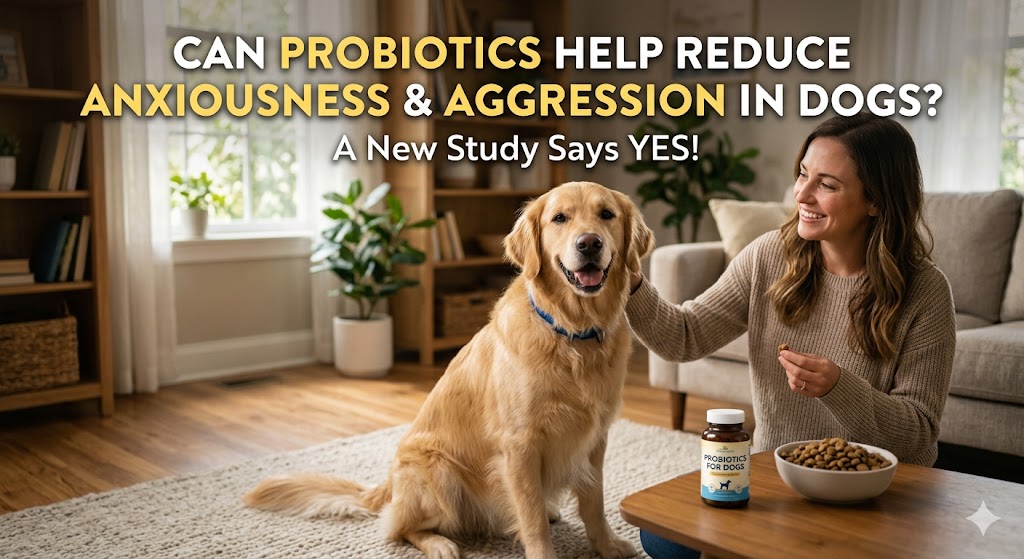
Dogs are amazing companions, but just like humans, they can experience anxiety and behavioral challenges. These issues, such as aggression, fear, and separation anxiety, can be tough for both dogs and their owners. While modern medicine offers solutions, what if there were a natural way to help your furry friend feel calmer and happier? A recent study suggests that a new probiotic strain, Lactiplantibacillus plantarum LP815™, might be the answer.
What Did the Study Explore?
Researchers conducted a 5-week randomized, placebo-controlled trial to test the effects of LP815™ on canine behavior. The study involved 40 dogs of various breeds, ages, and sizes, all living in their home environments. The dogs were divided into two groups: one received the LP815™ probiotic, while the other received a placebo (maltodextrin). The goal was to see if the probiotic could help reduce stress and aggression by improving gut health and supporting the gut-brain connection.
How Did the Study Work?
The researchers used a combination of methods to assess the dogs’ behavior and activity levels:
- C-BARQ Questionnaire: This is a detailed survey completed by dog owners to assess their pets’ behavior, including aggression, anxiety, separation anxiety, and other traits.
- Activity Monitors: Dogs wore FitBark activity trackers to measure their movement, sleep patterns, and activity levels throughout the study.
What Were the Results?
The findings were exciting! Dogs that received the LP815™ probiotic showed significant improvements in anxiousness and aggression compared to the placebo group. Here’s what the study found:
- Reduced Aggression: Dogs in the probiotic group had higher scores in the aggression category, meaning they were less aggressive after 4 weeks of supplementation.
- Lower Anxiousness: The probiotic group also showed significant improvements in anxiety-related behaviors, including separation anxiety.
- Better Sleep Patterns: Dogs receiving LP815™ had more consistent sleep schedules, with reduced daytime napping and better nighttime sleep quality.
- Improved Activity Levels: While overall activity decreased slightly, the probiotic group showed more balanced activity patterns, with increased moderate-intensity activity and improved daytime wakefulness.
Why Does This Work?
The researchers believe the probiotic works by supporting the gut-brain axis, a connection between the gut and the brain. LP815™ produces a compound called GABA, which is known to help regulate anxiety and stress. By improving gut health and increasing GABA production, the probiotic may help dogs feel calmer and more balanced.
Is It Safe?
Yes! The study administered over 1,120 doses of LP815™, and no significant side effects were reported. This makes it a promising alternative to medications that can have undesirable side effects.
What’s Next?
While this study shows great potential for LP815™, more research is needed to explore its long-term effects and its comparison with traditional treatments such as fluoxetine. Future studies could also investigate how diet and gut microbiome composition influence the probiotic’s effectiveness.
Final Thoughts
If your dog struggles with anxiety or aggression, LP815™ might be a natural and safe option to help them feel calmer and happier. This study highlights the exciting potential of probiotics in improving canine behavior and overall well-being. As research continues, we may see more innovative solutions for supporting our furry friends through the power of gut health!