

By Justin Kalafat
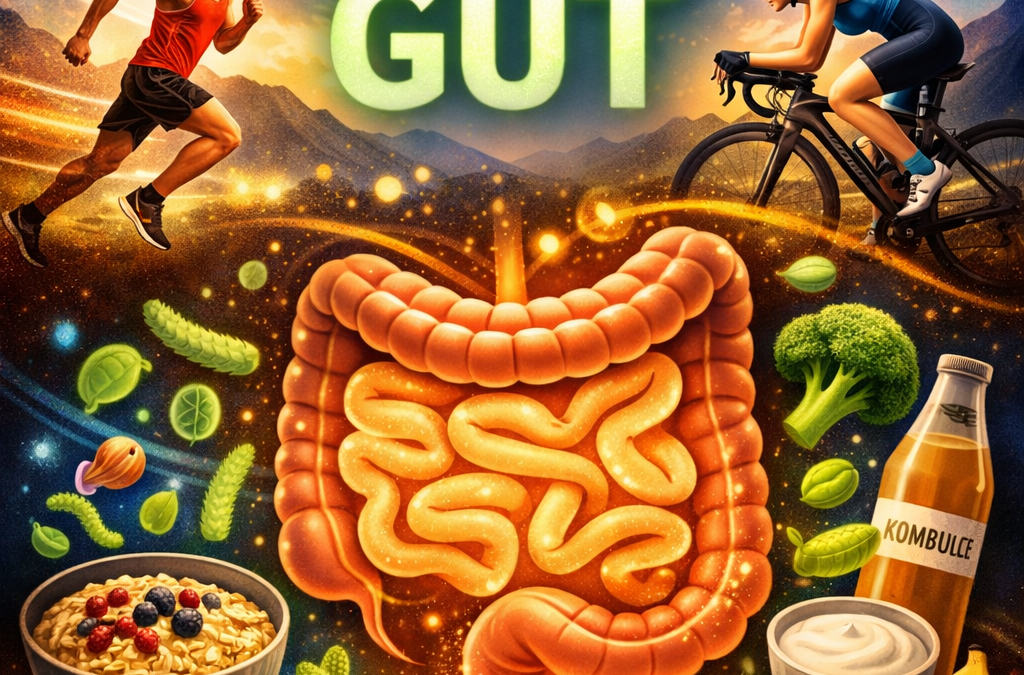
Ever wonder what we did before modern-day probiotic supplementation…well, it’s simple, we ate!!! Possibly not even knowing what foods were rich in probiotics, there might have been some in the diet. Yogurt, kefir, sauerkraut, kimchi, sourdough bread, and fermented beverages like kombucha are examples, though supplementation is still often required to achieve sufficient variety and concentration of probiotic strains.
There are many different types of probiotics because they are highly strain-specific, meaning each type provides unique, targeted health benefits rather than one single type treating all issues. Common strains, like Lactobacillus or Bifidobacterium, target specific gut needs. These might be included alongside other strains as the list of targeted probiotic products continues to grow in areas such as improving digestion, strengthening immunity, supporting many areas of women’s health (hormone, menopause, vaginal health, etc.), and stress and anxiety, to name a few. With a plethora of options, which probiotic strains could enhance athletic performance, and how are they effective?
Key Benefits for Athletes
Probiotics provide notable benefits for athletic performance by strengthening immune defenses, reducing gastrointestinal (GI) issues during intense training, and promoting recovery. Possible advantages include better nutrient absorption (especially of protein and amino acids), reducing swelling and irritation, and possibly increasing endurance by improving metabolic efficiency.
Specific Probiotic Strain Options
BC30 (Bacillus coagulans GBI-30, 6086) is a spore-forming probiotic that can benefit athletes by improving protein absorption, enhancing muscle recovery, and reducing exercise-induced muscle damage. It can support gut health and can improve amino acid uptake—specifically BCAAs—when paired with protein, potentially increasing power and decreasing body fat.
- Enhanced Protein Absorption: Research indicates that BC30 can improve the absorption of protein, particularly from plant-based sources, which is crucial for muscle repair.
- Improved Recovery: Studies show that athletes who consume BC30 alongside protein may experience reduced muscle damage and better post-exercise recovery.
- Increased Amino Acid Uptake: BC30 may increase the absorption of key amino acids, including leucine, isoleucine, valine (BCAAs), and glutamine, which are essential for muscle health.
- Performance Trends: Some studies suggest that BC30 can help improve athletic performance, with trends toward increased vertical jump power.
- Immune System Support: Probiotics like BC30 are effective at supporting a healthy immune system, which can be compromised by intense training.
Lactobacillus plantarum TWK10 is a probiotic strain isolated from Taiwanese pickled cabbage that helps improve muscle strength, exercise endurance, and body composition. It can boost athletic performance by increasing muscle mass, reducing fatigue, and modulating gut microbiota.
- Exercise Enhancement: Studies have shown that TWK10 significantly improves aerobic endurance capacity, increases muscle mass, and reduces fatigue-related markers (e.g., lactic acid and creatine kinase).
- Muscle Quality: It has been shown to enhance muscle quality and performance, making it beneficial for both sports nutrition and battling sarcopenia (age-related muscle loss) in older adults.
- Versatility: Research indicates that both viable and heat-killed (postbiotic) forms of TWK10 can improve exercise performance.
The takeaway: As the probiotic market grows and more targeted strains and combinations become available, consider athletic improvement as a potential benefit of supplementation.
Disclaimer: These statements reflect my personal opinions and do not represent the views of my employer.