

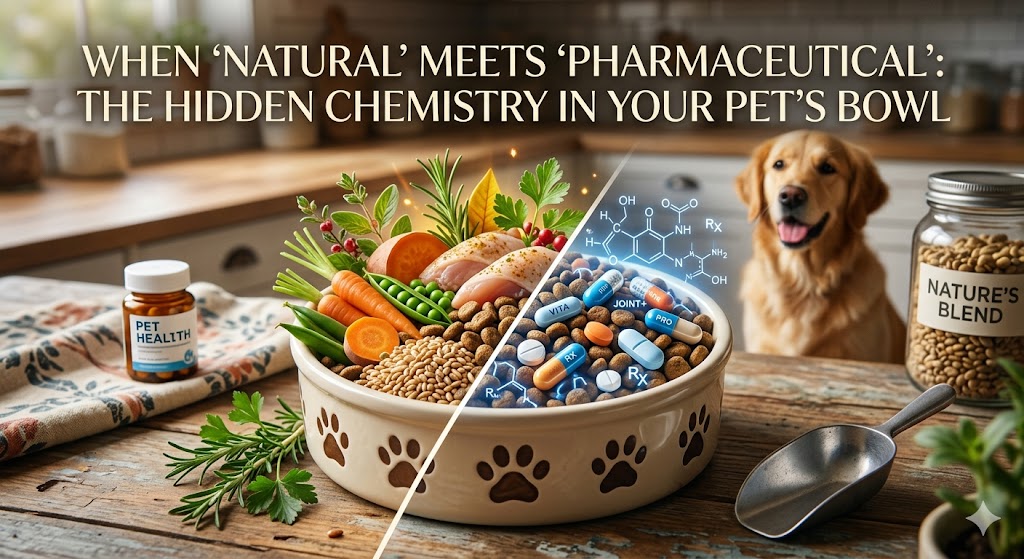
As a pharmacist, I’ve spent my career studying how molecules interact in the body. One of the biggest misconceptions I encounter, across human and animal health, is the belief that “natural” products exist in a separate world from “pharmaceutical” drugs.
In reality, once a supplement is swallowed, it becomes part of the body’s chemistry. If your pet is taking a prescription medication, adding a herb or a vitamin isn’t just adding “extra nutrition”; it’s introducing a new variable into a complex chemical equation. Here is why understanding these interactions is critical to your pet’s safety.
The “Thin Blood” Risk: Supplements and Surgery
If your pet is scheduled for a routine dental cleaning or a more serious surgery, what you put in their breakfast bowl matters as much as the anesthesia the vet administers.
- The Culprits: Common supplements such as Ginkgo biloba, Vitamin E, and high-dose Omega-3 fatty acids (fish oil) are beneficial for cognitive and joint health. However, they also have mild anticoagulant effects, meaning they can “thin” the blood.
- The Interaction: If these are in your pet’s system during surgery, it can lead to increased bleeding or difficulty forming clots.
- The Pharmacist’s Advice: Always disclose these to your vet at least two weeks before any scheduled procedure. They may ask you to pause the supplements to ensure a safer surgery.
The “Sleepy Effect”: CBD, Valerian, and Anesthesia
Many pet parents use calming aids like CBD, Valerian root, GABA, or L-Theanine to help with anxiety or “storm phobia.” While effective, these botanicals modulate the central nervous system.
- The Interaction: If your pet needs to be sedated or put under general anesthesia, these “natural” calmers can potentiate (amplify) the effects of the vet’s medications.
- The Risk: This can result in deeper-than-intended sedation or a much slower recovery (“waking up”) after the procedure. Your vet needs to know exactly what’s in your pet’s system so they can adjust their anesthetic protocol accordingly.
The Liver Traffic Jam: Managing Metabolism
The liver is the body’s primary “processing plant.” It uses specific enzymes, most notably the Cytochrome P450 family, to break down both supplements and drugs so they can be cleared from the body.
- Speeding Up: Some botanicals can “induce” these enzymes, making the liver work overtime. This causes prescription meds to be cleared too fast, meaning the drug doesn’t stay in the system long enough to work.
- Slowing Down: Other extracts can “inhibit” these enzymes, creating a “traffic jam” in the liver. This causes the prescription medication to build up to potentially toxic levels because the body can’t get rid of it fast enough.
- The Takeaway: This is why it’s vital to discuss “liver-active” supplements (like milk thistle or certain concentrated herbal extracts) if your pet is on long-term medications for heart disease, seizures, or thyroid issues.
The Bottom Line
“Natural” doesn’t mean “inert.” Supplements are powerful tools for wellness, but they are biologically active. By understanding the “pharmacology” of your pet’s bowl, you can ensure that their natural supplements and pharmaceutical treatments work together—not against each other.
Before you add that next “natural” boost to the bowl, ask your vet: “Will this change how their other medications work?”