

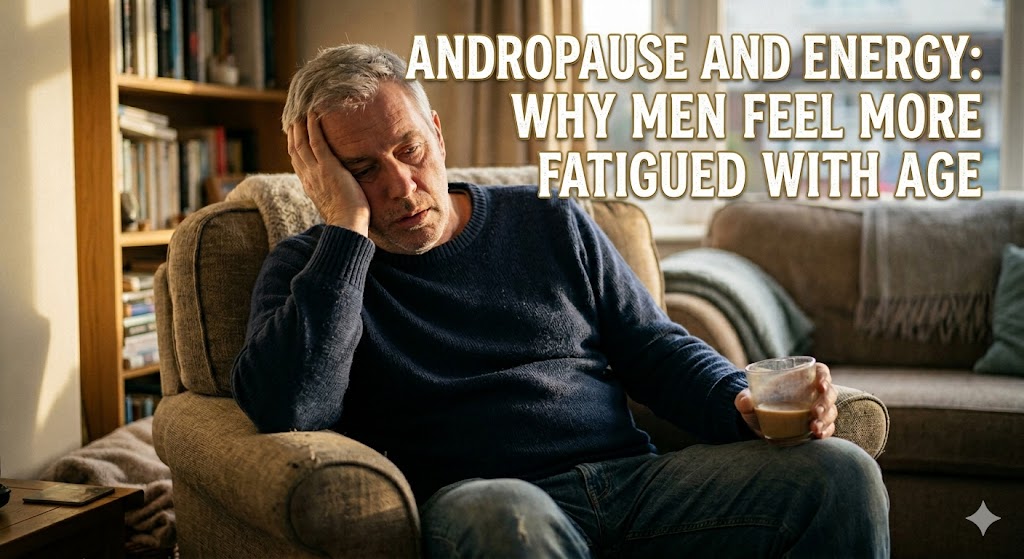
One of the most common symptoms of andropause is a decline in energy. Many men report several changes in their energy levels as they age. They often notice a marked reduction in stamina, making it harder to sustain physical or mental activities for extended periods. Midday fatigue becomes increasingly common, with energy slumps often occurring in the afternoon and interfering with daily productivity. Along with these physical symptoms, men may also find their motivation waning, which can affect both work and personal life. Recovery from workouts tends to be slower, with muscles remaining sore longer and taking more time to bounce back after exertion. Overall, these factors contribute to a persistent feeling of physical “drained,” leaving men less able to fully engage in their usual activities and responsibilities.
While aging contributes to some changes, declining testosterone may also influence how efficiently the body produces and utilizes energy.
Testosterone and Mitochondrial Health
Testosterone influences mitochondrial activity. Mitochondria are the “energy factories” inside cells responsible for producing ATP—the body’s usable energy currency. As testosterone declines, energy production efficiency may also decrease. This may contribute to:
- Physical fatigue
- Reduced exercise endurance
- Mental burnout
- Slower recovery
Muscle Loss Also Reduces Energy
Loss of muscle mass can reduce overall metabolic efficiency and physical resilience. Men often become less active because they feel tired, but inactivity further worsens:
- Energy levels
- Muscle loss
- Body composition
- Motivation
Nutritional Support for Energy and Performance
Kaneka Ubiquinol®
Kaneka Ubiquinol® is an advanced form of Coenzyme Q10, known for its superior bioavailability compared with standard ubiquinone. It plays a critical role in supporting mitochondrial energy production, which is essential for overall cellular function and vitality. By efficiently delivering electrons in the mitochondrial respiratory chain, it helps optimize cellular energy metabolism. Regular supplementation may support cardiovascular health and sustained energy, particularly in individuals experiencing age-related declines in mitochondrial function.
Creatine
Creatine is a naturally occurring compound in the body that plays a vital role in the rapid regeneration of ATP, the primary energy molecule used during high-intensity exercise. Supplementing with creatine can enhance physical performance, especially during short bursts of intense activity such as weightlifting or sprinting. It also supports muscle strength and endurance, helping to counteract age-related muscle loss. In addition, creatine may aid post-exercise muscle recovery and help maintain lean body mass.
Magnesium
Magnesium is an essential mineral involved in hundreds of biochemical reactions, including those related to muscle contraction, nerve transmission, and energy production. Adequate magnesium supports muscle function and recovery, reducing the risk of cramps and fatigue, especially after exercise. It also plays a crucial role in promoting restful sleep, which is key for overall energy and well-being. Consistent magnesium intake can help maintain optimal physical performance and metabolic health as men age.
TestoSurge®
TestoSurge® is a plant-based supplement designed to support healthy testosterone levels, which are crucial for maintaining vitality and exercise performance in men. Promoting natural testosterone production may help boost motivation, energy, and muscle strength. Healthy testosterone levels are also linked to improved mood, cognitive function, and overall resilience. TestoSurge® can be a valuable addition to a balanced regimen for men facing age-related hormonal changes and fatigue.
D-Ribose
D-Ribose is a naturally occurring sugar that forms the backbone of ATP, the primary energy molecule in cells. Supplementing with D-Ribose can help support cellular energy pathways, especially in tissues with high energy demands such as the heart and muscles. It is useful for enhancing stamina and reducing fatigue, particularly during intense physical activity or recovery periods. Regular intake may promote sustained energy levels and improve overall exercise endurance.
The Bottom Line
Fatigue associated with andropause is typically the result of several interrelated factors. Hormonal changes, particularly declining testosterone levels, play a significant role in diminishing energy and motivation. In addition, reduced muscle mass, poor sleep quality, lower mitochondrial efficiency, and increased stress further contribute to feelings of exhaustion and a decreased sense of vitality. These issues often overlap, making andropause-related fatigue a complex condition that can impact both physical and mental well-being.
Fortunately, men can take proactive steps to address these challenges. A combination of regular exercise, optimizing sleep habits, balanced nutrition, and targeted supplementation can help counteract the effects of andropause. These strategies support energy production, muscle strength, and overall stamina, enabling men to maintain vitality and resilience as they age. By focusing on these key areas, it is possible to alleviate fatigue and promote sustained well-being throughout later life.