

By Justin Kalafat
If you feel like you sleep well, more power to you. There are millions and millions of jealous people out there, and possibly even some in your family. Personally, my struggles with sleep are primarily due to two things: not being able to turn my brain off at night and herniated disks in my neck. Whatever the reason, sleep-supplementation options have increased recently, especially as more people seek alternatives to commonly used melatonin because of its side effects. Common complaints among consumers are the melatonin “hangover”, vivid dreams or nightmares, physical discomfort, mood changes after use, and waking up in the middle of the night and not being able to fall back asleep.
How does all this relate to sports nutrition & active lifestyle? Think about how sore you are the next day after a tough workout, and compound those feelings with a rough night of tossing and turning.
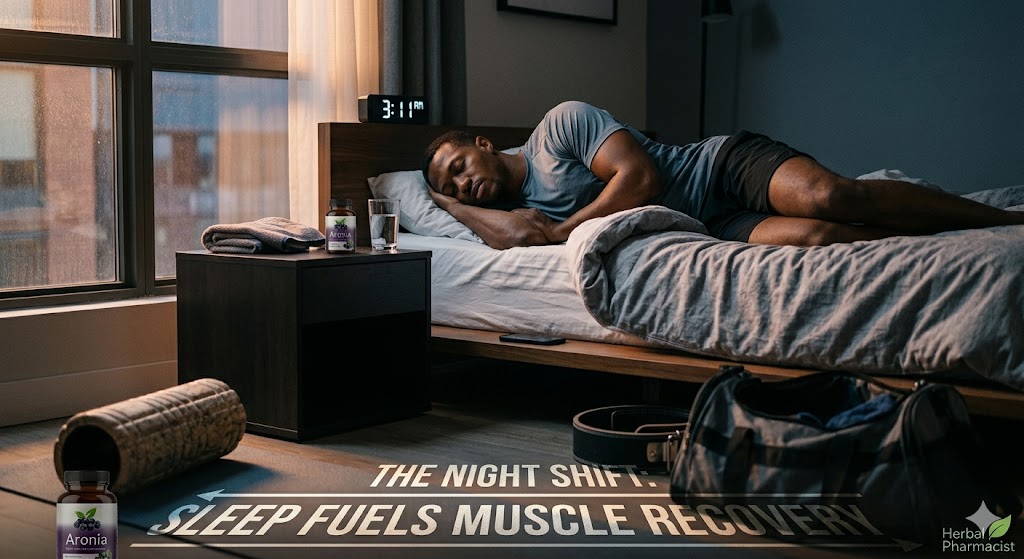
Sleep is crucial for muscle recovery because it triggers deep, restorative stages in which the body repairs tissue damage, produces protein, and releases growth hormones. Without enough sleep, muscle breakdown increases, recovery slows down, and performance drops due to reduced protein synthesis and increased swelling. These are some of the processes that happen while you’re asleep for the night.
Growth Hormone Release: During deep sleep, the pituitary gland releases most of the human growth hormone, which is essential for repairing damaged muscle fibers and promoting muscle growth.
Muscle Protein Synthesis: Sleep is the peak time for repairing damaged muscle tissue broken down during exercise.
Increased Blood Flow: Deep sleep enhances blood flow to muscles, delivering essential oxygen and nutrients for recovery.
Reduced Swelling & Irritation: Sleep helps control these post-workout symptoms, allowing for faster healing and reduced soreness.
Glycogen Replenishment: During sleep, the body replenishes glycogen (energy stores) needed for future exercise.
Hormonal Balance: Lack of sleep increases cortisol (a stress hormone), which can break down muscle tissue, and reduces the hormones needed for recovery.
If not melatonin, then what? Think of an herbal tea blend that might be enhanced with other ingredients like…
MoodElite® is a specially formulated, patent-pending botanical blend designed to support emotional well-being, stress management, and healthy sleep. It combines three traditional Asian herbs—St. John’s Wort, Siberian ginseng, and Tree Peony root bark. Potential benefits include improved sleep quality, reduced time to fall asleep, minimized sleep disturbances, and reduced daytime sleepiness.
4RESTORE® is a botanical blend (a patented combination of Rosemary and Daylily) that primarily affects sleep by regulating the body’s circadian rhythm and modulating key biochemical markers associated with restorative rest. Clinical trials have reported increased feelings of being well-rested and alert, with decreased feelings of sluggishness.
ThymoDream™ is a patented, black cumin seed extract designed to enhance sleep quality, manage stress, and support immunity. Clinical trials show that it increases sleep efficiency and total sleep time, reduces sleep-onset latency, and decreases wake after sleep onset. This ingredient is a safe, plant-based, and non-hormonal sleep remedy.
Additional common herbal ingredients in sleep supplements include ashwagandha, valerian root, chamomile, lavender, passionflower, lemon balm, and hops. These botanicals are frequently used to promote relaxation, reduce stress, and improve sleep quality by modulating nervous system activity or reducing stress. Incorporating some of these, along with other ingredients like magnesium glycinate or l-theanine, is also common in sleep supplementation.
Key takeaway: Millions of people have trouble sleeping, which can impact your overall quality of life and interfere with workout performance and recovery. Besides the commonly used melatonin, which continues to face negative attention, there are other natural options to consider.